The Barr Foundation is pleased to share a new report, Creative Potential: Strengthening Arts and Culture Advocacy and Cross-Sector Collaboration, exploring how advocacy infrastructure for arts, culture, and creativity can be strengthened in Massachusetts.
The research began in January 2024 and developed over more than a year through interviews, convenings, and ongoing dialogue with leaders across the field. The work took place during a period marked by significant social, political, and economic turbulence. Looking back at the findings, many of the ideas that surfaced feel strikingly evergreen. They offer insights that can help us continue refining the “long game” for building stronger advocacy infrastructure, and for ensuring that arts and culture remain a vital and influential part of civic life in Massachusetts.
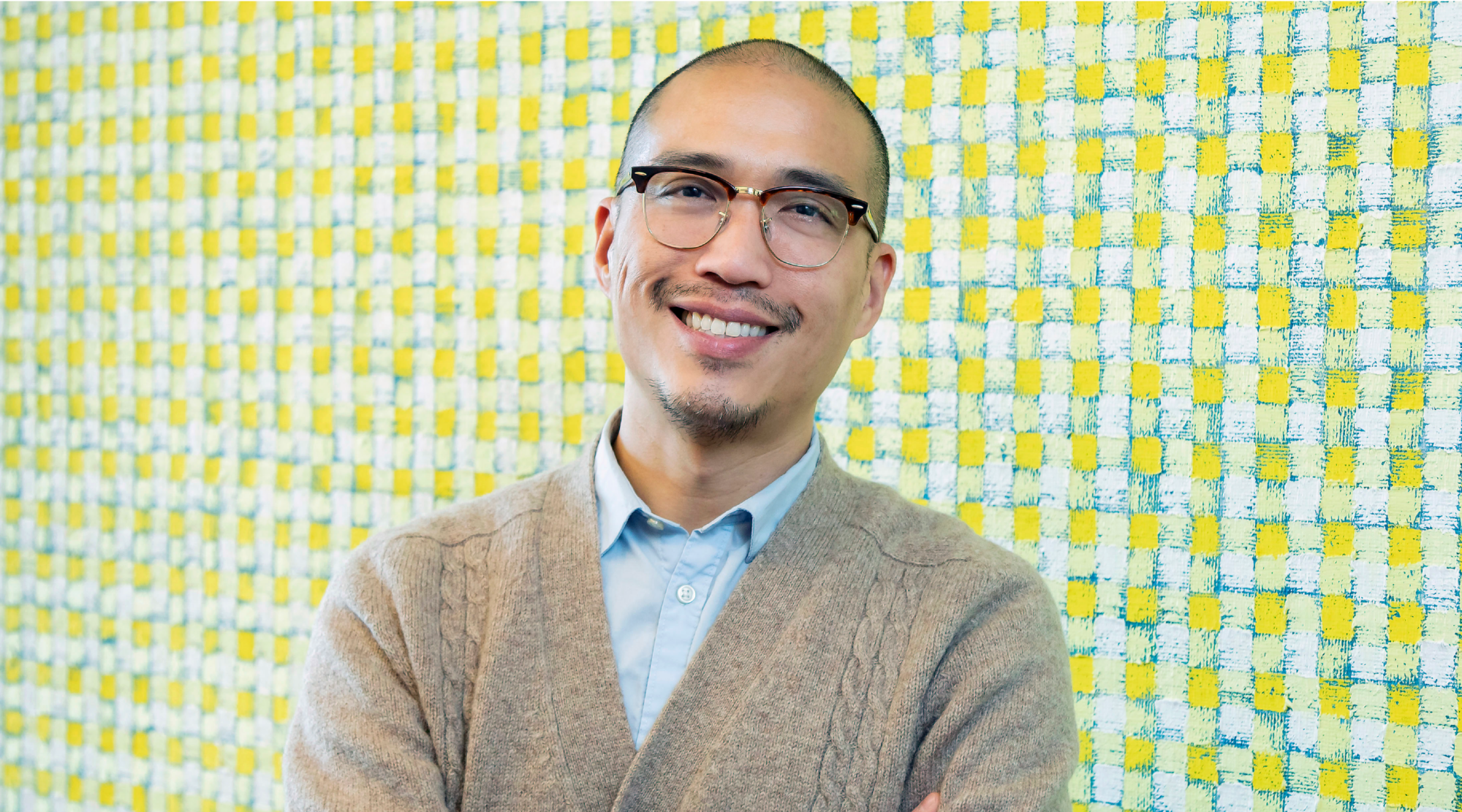
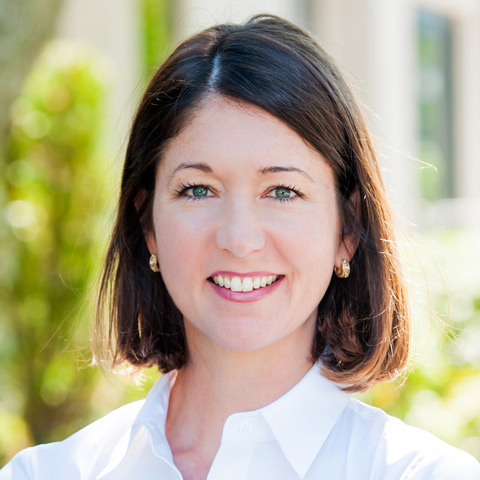
To reflect on what we learned and why it matters, Barr’s Director of Arts + Creativity, Giles Li, spoke with Laurie Zapalac, PhD, Principal of Zapalac Advisors, who led the research in collaboration with Cuong P. Hoang, Director of Programs at Mott Philanthropic.
Setting the Stage
Giles Li: Laurie, let’s start at the beginning. What questions was this research trying to answer?
Laurie Zapalac: At the outset, the goal was to understand how advocacy for arts, culture, and creativity is evolving, including cross-sector approaches, and how it might be strengthened for the future. We spoke with about 50 leaders across Massachusetts working in the arts, philanthropy, policy, and related fields. Alongside the interviews, we held several small convenings where participants could reflect together on what we were hearing.
Rather than steering participants toward a single set of recommendations, the research surfaced patterns—similar concerns, areas of momentum, and a range of strategies people are already exploring. What emerged is a picture of a sector deeply committed to civic engagement, but often working in fragmented ways. One of the goals of the research was simply to make those patterns visible.
The findings have been captured in a summary that highlights key findings and strategic considerations, as well as a longer version of the report that explores the ideas in greater depth. Together they synthesize what we heard through interviews and convenings, and they outline several strategies that could help strengthen advocacy capacity across the field.
What We Learned
Giles Li: From your perspective as the researcher, what were the most important insights?
Laurie Zapalac: We started this research by asking for examples of cross-sector advocacy infrastructure. Along the way, we also heard a lot about the need to build infrastructure within the arts and culture sector itself. One of the clearest themes to emerge was that advocacy begins with relationships. That may sound simple, but it came up again and again. The strongest advocacy efforts tend to grow out of networks of trust—across organizations, sectors, and communities.
Building on this, we heard compelling ideas about what cross-sector advocacy can look like in practice, with partners in fields like health, housing, education, and economic development. A key challenge is that people are often speaking different professional languages while working toward similar goals.
For example, arts organizations working with health partners may find that a medical research funder uses very different research methods, accountability structures, approaches to measuring outcomes, and even vocabulary than those typically used in the arts sector. For collaboration to be effective, there needs to be translation between these worlds—and that takes time. It also requires a willingness to advocate by providing feedback to grant programs and policymakers, particularly when they are trying to meet multiple or overlapping goals.
These ideas about relationship building also apply within the arts and culture sector. We heard about examples of people advancing similar initiatives in different parts of the state—often without being in direct dialogue with one another. These efforts share common goals but are often developing in parallel rather than in close coordination. This is helpful for funders to understand; supporting convenings is a tangible way they can step in to help people connect, share knowledge, and learn from one another.
Another exciting finding is that many people are already thinking differently about the role of capital—and about the different types of capital that can be brought to bear to strengthen the sector. This can include, for example, directing philanthropic resources toward building stronger and more resilient nonprofit organizations. We have clear evidence that while supporting programs is important, investing in organizational infrastructure—paying staff equitably and providing benefits—is essential. Doing so allows talent and institutional knowledge to remain in the nonprofit sector over the long term. Simply put, it acknowledges the value of the human commitment and expertise behind this work. It is a sound strategy. In practice, it is difficult for people to participate meaningfully in advocacy if they are already stretched beyond their limits. That is a recipe for burnout.
We also heard about strategies to secure creative space in our communities, especially as development pressures intensify. This includes shaping development processes and policies to better support arts and cultural uses. There is significant work underway around cultural trust models, and some projects are beginning to integrate social impact investment—a hybrid between traditional investment and philanthropy—into real estate that includes space for creative activities. For these to succeed, multiple parts of the system need to work in sync: zoning, permitting, development review, and community expectations about public benefits. And once projects are delivered, strong long-term management strategies are essential. Given Massachusetts’s long history of financial innovation, this is an area where we are well positioned to lead—nationally and even internationally.

Barr’s Perspective
Laurie Zapalac: I’m interested to ask the same question of you: from Barr’s perspective, what feels most important for readers to take away from the research?
Giles Li: For me, one of the most powerful aspects of the research is the reminder that you are not alone. Working in the arts advocacy space can sometimes feel siloed. Organizations may feel like they are carrying the work of advocacy on their own, when in fact there are many others across the field and even in other fields exploring and experimenting with similar issues. The report highlights that shared momentum.
Another takeaway is that advocacy is not something that happens only during moments of crisis or around specific policy decisions. It’s a capacity that needs to be invested in, developed, and practiced over time. It requires relationships, communication, and collaboration across sectors, geographies, artforms, budget sizes, and more. From Barr’s perspective, strengthening that muscle is essential for the long-term sustainability and well-being of artists and creative workers, organizations and institutions, and communities where creativity thrives.
Advocacy Infrastructure in Action
Giles Li: One thing we want to emphasize is that a great deal of important advocacy infrastructure building has taken place since this research began.
We’ve continued to see strong leadership from many of our community foundation partners across the state, as well as crucial partner organizations like MASSCreative, the Massachusetts Cultural Council, and many other organizations of all sizes. We have seen the continued growth and expansion of Creative Advocacy Week, ongoing coordination around the state budget and, this year, efforts to advance the Creative Space Act.
Our work to engage in important efforts to deepen the field’s understanding of physical space and infrastructure for the arts has been encouraging. The Making Space for Art report, developed through a collaboration between the Metropolitan Area Planning Council and the cities of Boston, Cambridge, and Somerville, is one recent example. The Star Store project in New Bedford led by the Arts and Business Council of Greater Boston brings together local artists, political and community leaders, field experts, and other stakeholders to collaboratively develop a new creative hub as part of the local economic infrastructure.
Artists and arts organizations have been playing key leadership roles in development projects that are expanding the field’s understanding of how creativity can shape our communities’ future. Consider development efforts led by Mass MoCA in North Adams, New Vue Communities in Fitchburg, and North Shore Community Development Corporation in Salem, that put arts and artists at the center of efforts to build sustainable community, develop economic opportunity, and create affordable housing.
We’ve also seen organizations evolving to meet the moment. For example, Assets for Artists recently transitioned into an independent 501(c)(3), positioning it to expand its support for artists across the region, and the Boston Art Review has developed a new vertical exploring the intersection of arts, policy, and civic life, creating a new Arts Policy & Civic Engagement Editor role.
Barr has been proud to support many of these efforts and others in some capacity, and they reinforce an important point: advocacy is not the responsibility of any single organization. Building the capacity and infrastructure needed to support arts and culture requires a coordinated effort across organizations, sectors, and regions.
Looking Ahead
Giles Li: As the author of the report, what do you hope readers will do with it?
Laurie Zapalac: My hope is that the report inspires even deeper conversations. It brings together perspectives from many different leaders. Readers may find ideas that resonate strongly with their work, and others that may not feel as relevant. That’s okay. The value of the report is not in prescribing a single path forward, but in helping people see the broader landscape of activity—and the potential for collaboration.
If it helps people connect with colleagues working on similar issues or sparks new conversations about how to strengthen advocacy capacity, then it will have served its purpose.
Giles Li: Let’s talk about what comes next. From a research and data perspective, how do we continue building the data needed to support key positions and grow alignment across the field? What do you see as next steps on the research front?
Laurie Zapalac: One thing we’ve already seen is the value of updated, city-based reports on the creative economy. Recent work in Boston and New Bedford—and now the Lowell report being released this year—shows how useful it can be to document the scale and impact of creative production at the local level. These studies, as well as the 2024 Massachusetts Cultural Asset Inventory produced by Mass Cultural Council, substantiate the real and significant direct economic contributions of the creative sector.
At the same time, we still have more work to do—especially in explaining the indirect and induced economic effects of the creative economy, and in making the case for creativity as a driver of innovation across all industries, not just arts, culture, and tourism. During the research process, Cait Brumme, CEO of MassChallenge, spoke about this as “Big C” creativity. That framing is powerful. It reminds us that creativity isn’t confined to the arts sector—it’s an essential ingredient in innovation across the entire economy.
One next step I’m particularly interested in is bringing more large employers into this conversation, particularly from our tech sector—who may not think of themselves as being part of, or having a relationship to, the creative sector. It’s also interesting that many industry leaders acknowledge that culture is important to attracting and retaining talent; many also work creativity into their branding. If we want to make the case for culture and creativity as a driver of innovation in the Commonwealth, we need to engage leaders from across industries—and find new, compelling ways to tell that story.
Moving Forward Together
Giles Li: At a time of financial uncertainty and heightened political division, I’m inspired by the artists, organizations, and civic leaders continuing to demonstrate creativity and courage in advancing public dialogue and community engagement. And that isn’t happening only in our largest cities; it’s taking place in communities all across the Commonwealth.
Over the past two years especially, many creatives have demonstrated real courage. They understand the importance of not stepping back in the face of pressure or intimidation. Simply by participating boldly in public life, making art and creativity a part of all our daily experiences, they help move us away from polarization and toward common ground. I’m reminded of how Kenny Bailey from our grantee partner DS4SI often talks about the importance of “public culture;” we must consciously choose the shared culture we want to practice and be known for as Massachusetts.
Laurie Zapalac: I think the research reflected in these reports captures some of that spirit. Strengthening advocacy infrastructure is not a short-term project. It unfolds over time, through relationships, shared learning, and collective action.
Giles Li: Ultimately, it’s believing—remembering that each of us has a role to play in ensuring that arts and culture continue to shape the civic life of Massachusetts. When we work together, different futures become possible—a more meaningful and creative future, in which we all have greater capacity to flourish.