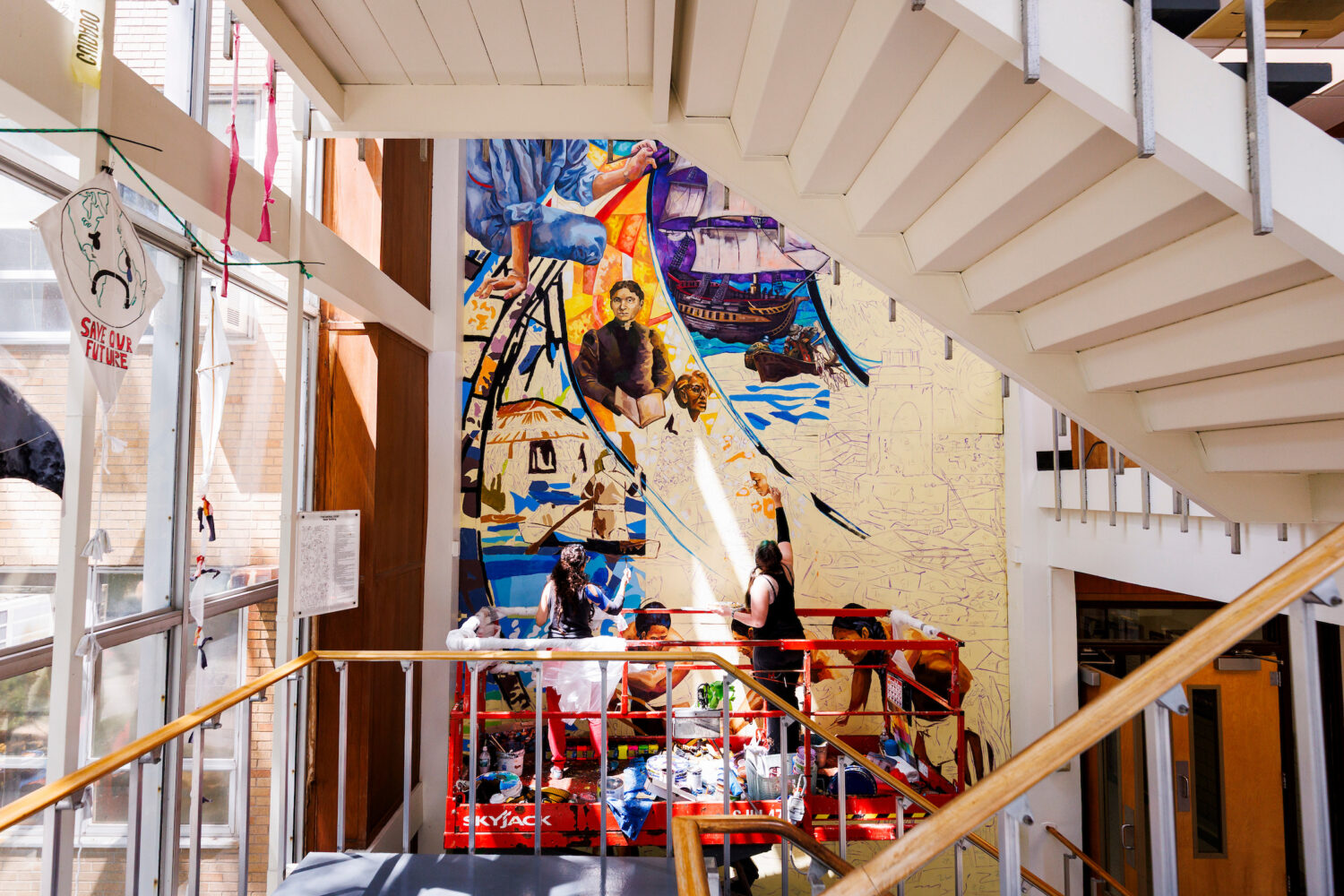
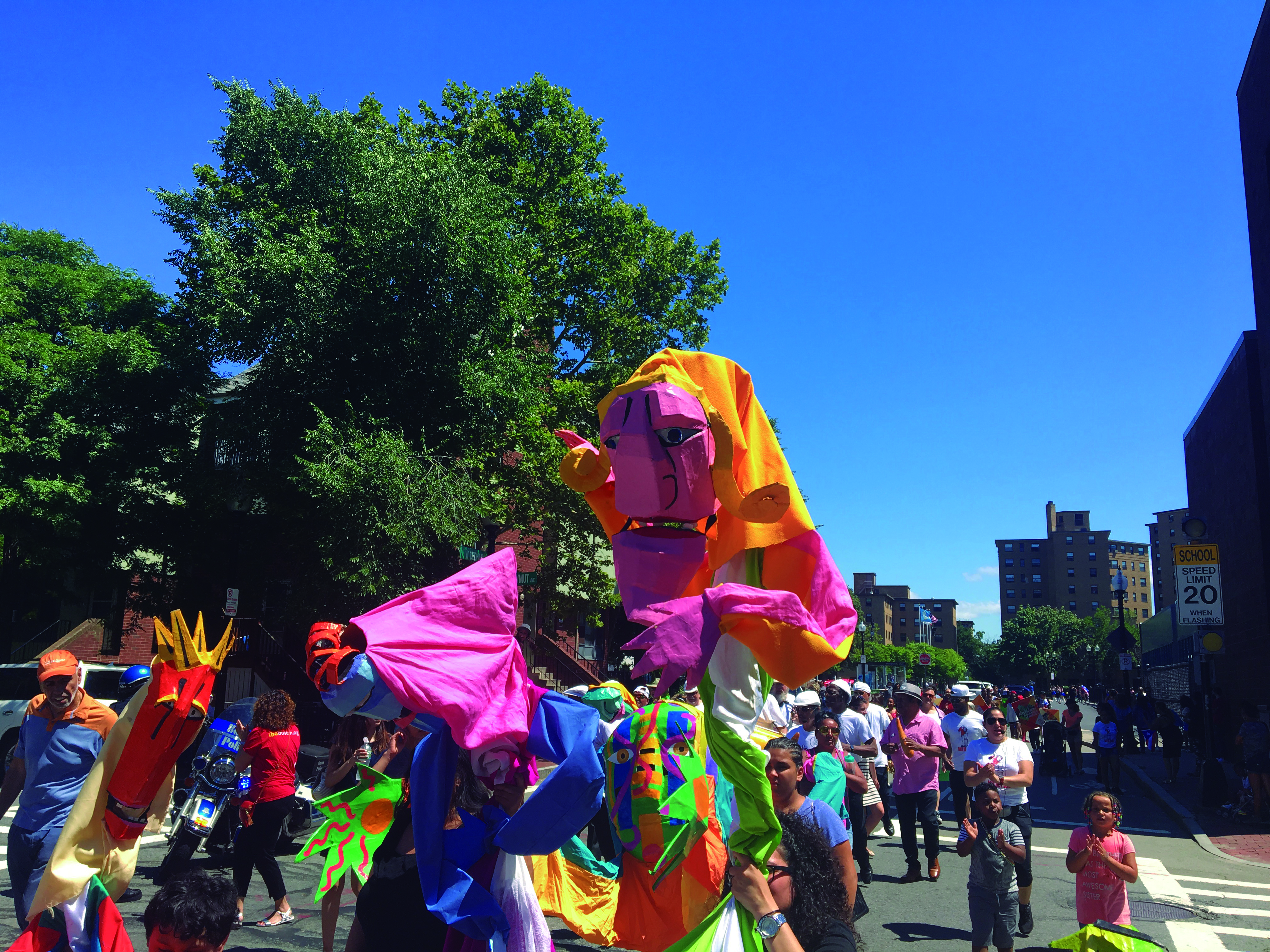
I spent a week in New Bedford convening with grantees in our EPIX portfolio around public art. That same week, I was able to join other related gatherings with NEFA and MassCreative around the same topic. What stood out most to me was the energy of practitioners and communities asking the same fundamental question from different angles: what does it look like for public art to truly belong to the public?
Across sessions, conversations, and informal moments, I kept noticing how rooted this work is in place. Not abstract ideas of “placemaking,” but the lived reality of neighborhoods, histories, and everyday public life. There is a seriousness in the field right now that’s more than “art in public space.” It’s about who public space is for; who gets to shape it; and how communities participate in that shaping.
These gatherings reinforced something I’ve been thinking about more and more: public art is not just about installation or aesthetics—it’s about governance, trust, and collective power.
In New Bedford and across the Commonwealth, I see a growing commitment to moving beyond “projects” toward deeper questions of process: how artists are selected, how communities are engaged, how decisions are made, and how public art can reflect lived experience rather than be imposed onto it.
What feels different right now is the level of alignment between artists, funders, and community partners around the idea that public art is civic infrastructure. That shift opens up real possibility; not only for more ambitious creative work, but for more meaningful participation in shaping public space.
One of the clearest challenges in this work is that public art often sits at the intersection of multiple systems—arts funding, municipal processes, real estate development, and community engagement—each with its own timelines, incentives, and constraints. That complexity can make it difficult to sustain shared vision over time, especially when communities are navigating urgent needs.
New Bedford reminds us public art is civic infrastructure.
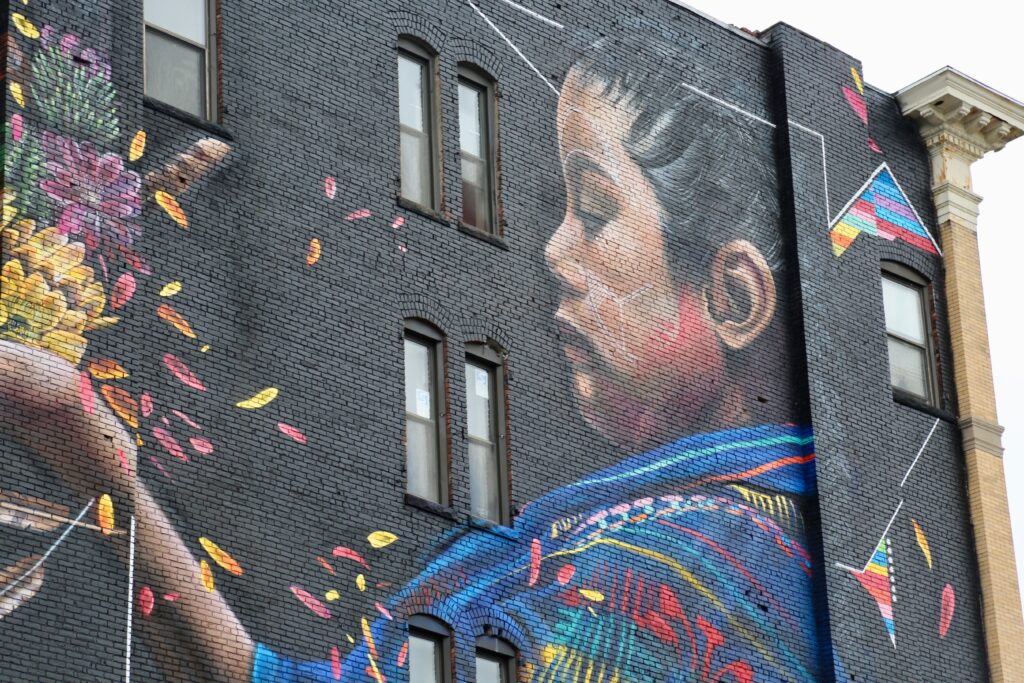
At the same time, what gave me hope in New Bedford, and through the NEFA and MassCreative convenings, was how many people are actively working to bridge those gaps. There is a growing ecosystem of artists, advocates, municipal leaders, and funders who are not satisfied with transactional approaches—they are pushing toward deeper collaboration and shared accountability.
My hope is that this momentum continues to build into more durable structures: stronger partnerships between cities and artists, more consistent pathways for community voice in public art decision-making, and more long-term investment in the people and relationships that make public art possible in the first place. If that happens, public art in Massachusetts has the potential to do something bigger than activate space. It can help reimagine how we make decisions together in public life.