Barr supports The Learning Agenda (TLA) as part of our Education Program’s Catalyze New Models strategy. TLA partners with high schools across New England to put on Student Summits that elevate student experiences and ideas. We believe students should be active partners shaping the changes we seek in high schools. These insights from TLA’s Matthew Pilarski offer a roadmap to get started.
In architecture, it’s a charette. In manufacturing, a Kaizen Event. In tech, it’s called a design sprint. For the education sector, it’s a Student Summit.
These are opportunities to bring people together to ideate, vision, and come up with what’s next. Recently, schools embarking on school improvement efforts have leaned into this concept and gathered students to help set the transformation agenda for their schools.
I’m excited to share some of the basics that might be needed to establish a successful Student Summit at your school.
But first, why hold a Student Summit?
If you’ve been in education for a while, you know that students are often on the outside looking in when it comes to big deal inflection points like strategic plans, grants, and school initiatives. A Student Summit shifts this traditional dynamic to center students and their voices.
A number of New England communities have employed Student Summits as a strategy to gather important ideas from their schools’ most important stakeholders about what change needs to take place for exceptional student outcomes. They report that when their students have been asked to step into that spotlight, they have met the moment. If you tell a student their voice matters, that the conversation means something, and decision-makers are paying attention, the students will commit their energy and intellect to helping solve the problem.
The result is that proposed solutions have built in buy-in from the stakeholders who matter the most — the students.

Five ingredients for a successful Student Summit
#1: Plan with Purpose
First, only put on a Summit if you want student feedback to inform your transformation efforts. Consider intentional conversations with adult educators about what it will mean to empower student voice in this way.
A powerful “knock-on effect” many schools have experienced is that adult perspectives shift after hearing directly from students in a Summit environment. This mindset shift is not insignificant. If planned well, the Summit and the resulting outcomes can be profound for both students and adults.
Second, when it comes to the topic or theme of your Summit, what are you, as a school, trying to challenge, to change, to get better at? The theme must help adults plan which policies need examination, which practices need new eyes, and which systems need new life. In its most basic form, it looks like this:
If we are a community that believes in X, and students are saying Y, then we need to Z.
This is a provocation stem, and it sets the stage for the feedback you will receive from students. X can be a core school value or a critical aspect of school that you know needs attention (think: instruction, culture, or college and career readiness).
Third, when we listen, what are we going to do with what we hear? We’re not looking to check a box here. Post-Summit actions are as important as the Summit itself. Build into your plan what will happen with all of the feedback.

#2: Look Beyond Your Go-Tos
Most high schools have their regular contributors. You know them. The students who will reliably “show up” for administration. While you shouldn’t exclude your regulars, a Summit is a crucial opportunity to hear from individuals who are not thriving. School is not working for them. Also, think about your big middle. If you look close enough, you’re going to find that not only are they ready to be heard, but ready to lead. Ask teachers for nominations.
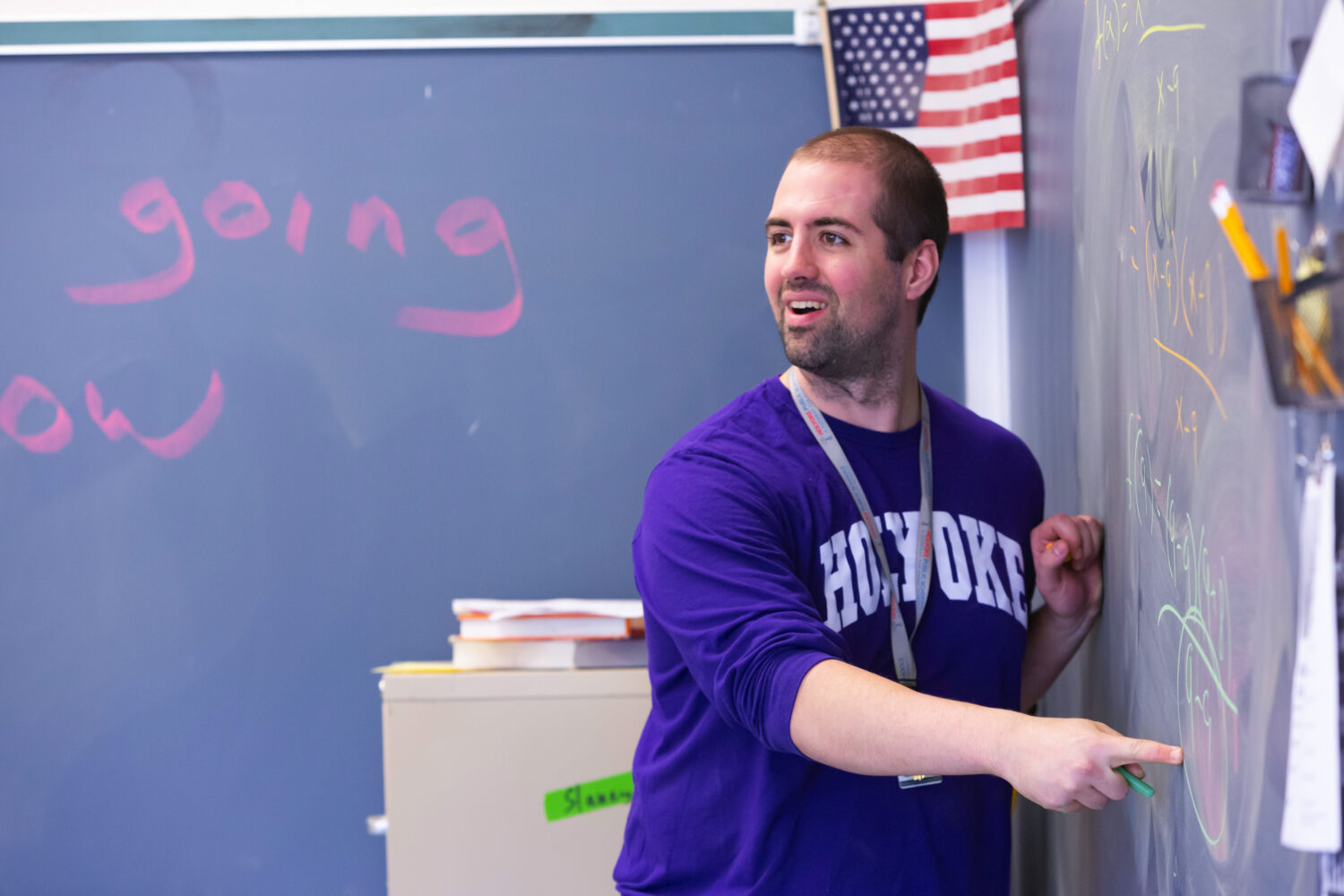
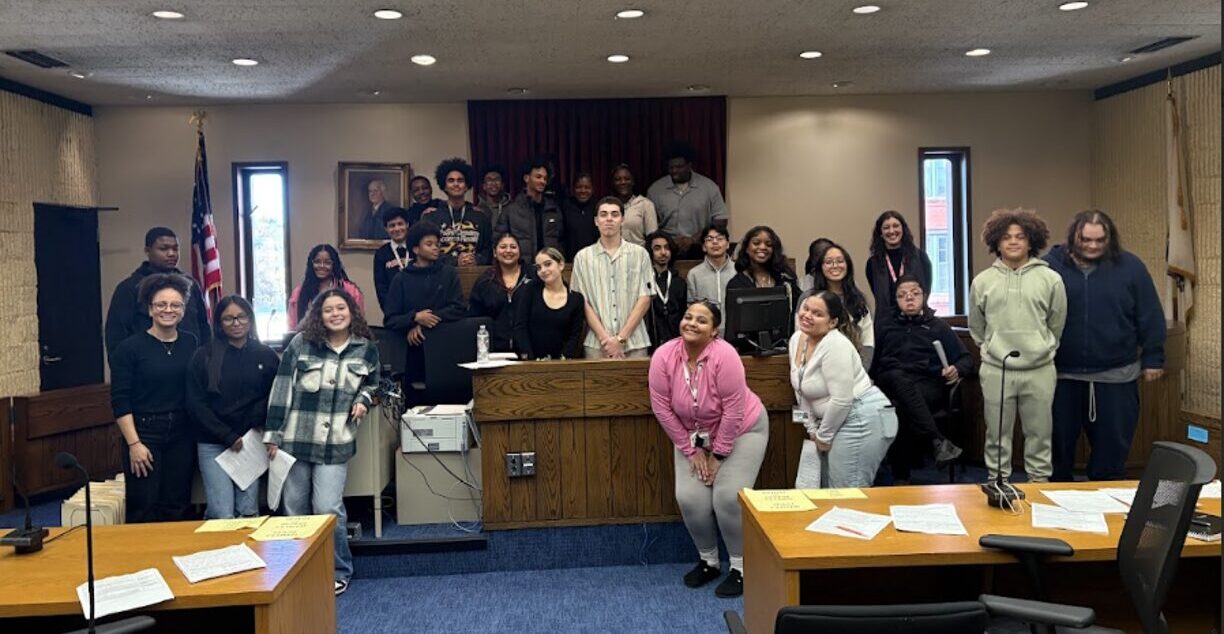
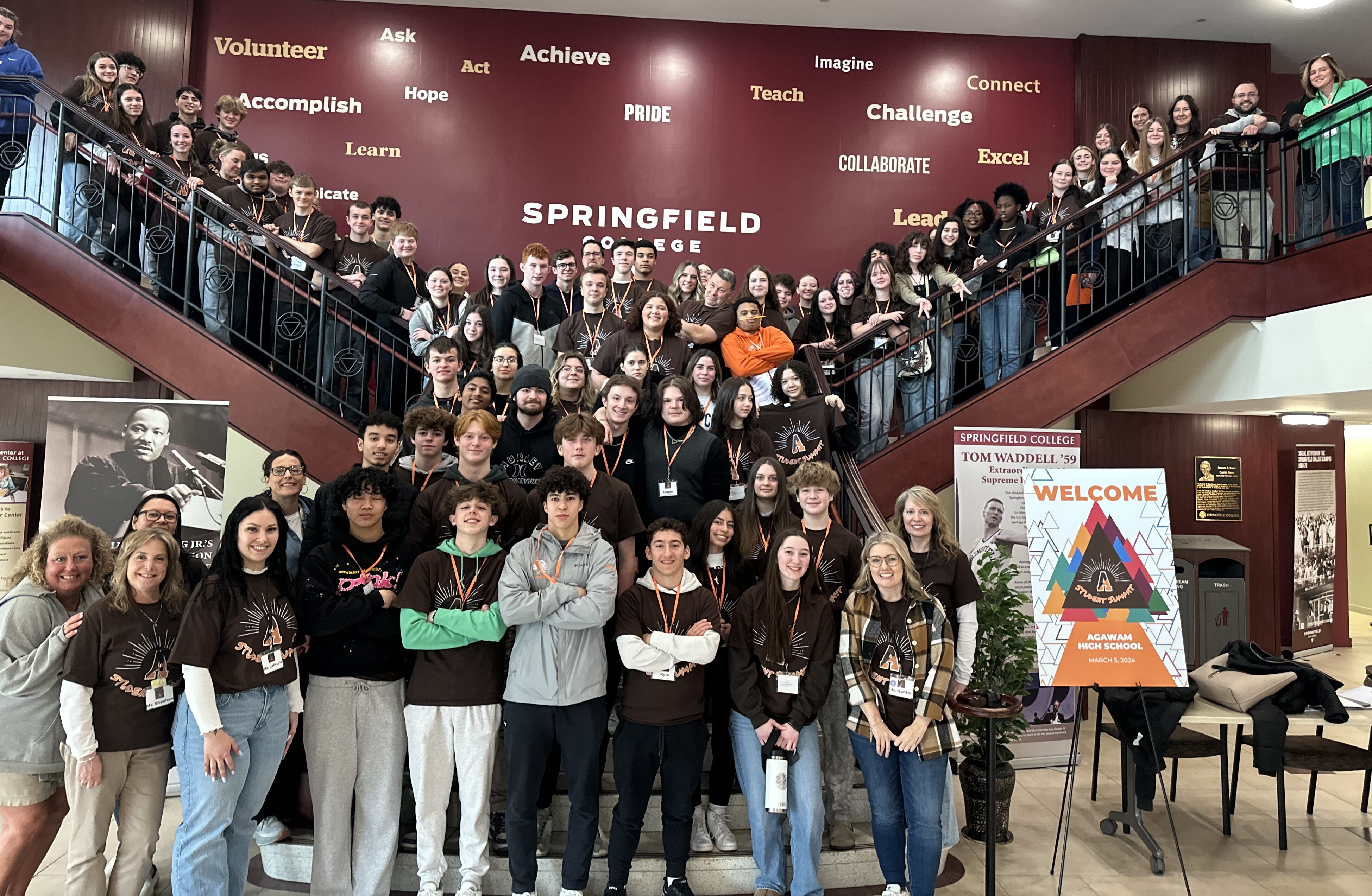
Pitch the idea of participating in the Summit in atypical spaces and let anyone nominate themselves. At Holyoke High School North in Massachusetts, students found sleeping in class woke up to a permission slip to attend a Summit instead of a detention slip. Summits are also an opportunity for students to speak with those they don’t always eat lunch with. Mix grades; mix levels. It works. Tactically, you want a mass of students, 50 – 120 students depending on your space constraints and the size of your school, so that you can gather a lot of ideas from across your school, quickly.
#3: Frame the Day
The opening message sets the tone for the day and impacts how students will engage at the Summit. Make it genuine, enthusiastic, and speak directly to students.

Find an educator at your school who doesn’t mind hamming it up to be the emcee for your Summit. They open the day, introduce a speaker or two, spin the Wheel of Fun (you heard that right!), and hand the mic around.
While it’s helpful to open the day with a few local speakers like the Superintendent, Principal, or City Councilor, consider a special guest that might be of interest to your students. Youth-centered motivational speakers or alums are great. Having a special guest is certainly not vital, but if you can find someone to reinforce your overall transformation theme, it’ll pay dividends.
#4: Listen to Students
Here are examples of two 60-minute workshops to encourage discussion, collaboratively designed and wholly facilitated by students:
Workshop 1 (The Problem): This is a modified Q&A where two trained student facilitators lead a breakout roundtable discussion of about 8-10 students on transformation topics decided by both adults and students, such as:
- Life After High School
- Classroom Engagement
- Grading! (You’d think this would not be a draw. It is!)
Critically, any initial discussion questions proposed by adults in the planning phase are negotiated and then rewritten by students to ensure authentic language and focus. During the workshop, adult educators take notes and map trends during the discussion, but that’s about it. This is about the students. The adult educators’ job is to listen. At the conclusion, groups generate a provocation statement to share with the larger Summit attendees.

Workshop 2 (The Solution): After a fun-filled lunch, students use a design thinking protocol—like the Innovator’s Compass—to unpack the provocation and iterate on potential ideas for innovation.
Here’s an example from a Summit held in Chelsea, Massachusetts:
“If we are a community that believes that classroom instruction should be meaningful, purposeful, and vibrant for all students, then Chelsea High School should encourage student feedback, activism, student criticism and include real-world problems in classroom lessons. LISTEN TO STUDENT VOICES!!”

#5: Give Students a Good Time
This is the students’ Summit. Make it special. Hold the Summit outside of the regular school building. Nearby community colleges are great to partner with and set the perfect tone. Provide lunch. If you have a bit of a budget, get them something they’re going to enjoy—tacos work well. Bring an element of fun. During lunch, bring in a portable photo booth or corn hole or the Wheel of Fun (Google it!).

What comes after the Summit?
The planning shouldn’t end with the event; it should be the beginning. The students need to see how their feedback created change within the school.
Start with a quick win.
The best-case scenario is finding a quick policy or process change based on student input. Let students see the fruits of their labor: We heard you, we’re changing this right away! At Holyoke High School North, in the words of Principal Lori McKenna, “After listening to students, there were some quick actions we were able to take to start working on this. During professional development, we had students start lesson planning with teachers and we did a fishbowl discussion where we had the teachers who were named as having engaging classes share their work by answering some specific questions.” The option to plan lessons with students quickly became the most popular choice of teachers.
Invest in the long-term.
Springfield Public Schools, which held its own Summit for all of its high schools at American International College, had a cabinet meeting resulting in an adjustment to its 5-year strategic plan. In the words of Deanna Suomala, Senior Administrator for Performance and Administration: “The most valuable insight from the Student Summit was how deeply students value relationships. Their feedback led us to shift our strategic plan from suggesting schools could develop a primary person model to requiring that all schools must implement one. It was a clear reminder that authentic student voices should directly shape systemwide change.”
Lowell High School is now in year two of an instructional initiative focused on collaboration. Meghan Branco, Assistant Head of School, shared: “At our Summit, our students told us that they didn’t have enough opportunities to talk in class. The lessons weren’t designed for this. But our students wanted them to be. We adopted collaboration as a focus because of this learning. By having their voices, we were also able to go to our teachers and say this is not what the admin wants, but what the students want.”

You can do this.
Organizing a Student Summit is a technical task that any school or district can undertake. And it’s worth doing for all of us trying our best to help all students thrive in and beyond high school. What’s more important than all of this, of course, is the adaptive work that follows. The actual change. The transformation. We leave that to you, and, importantly, your students.
Research shows that students who feel like their voices matter are more likely to show up to school every day. Learn more here.